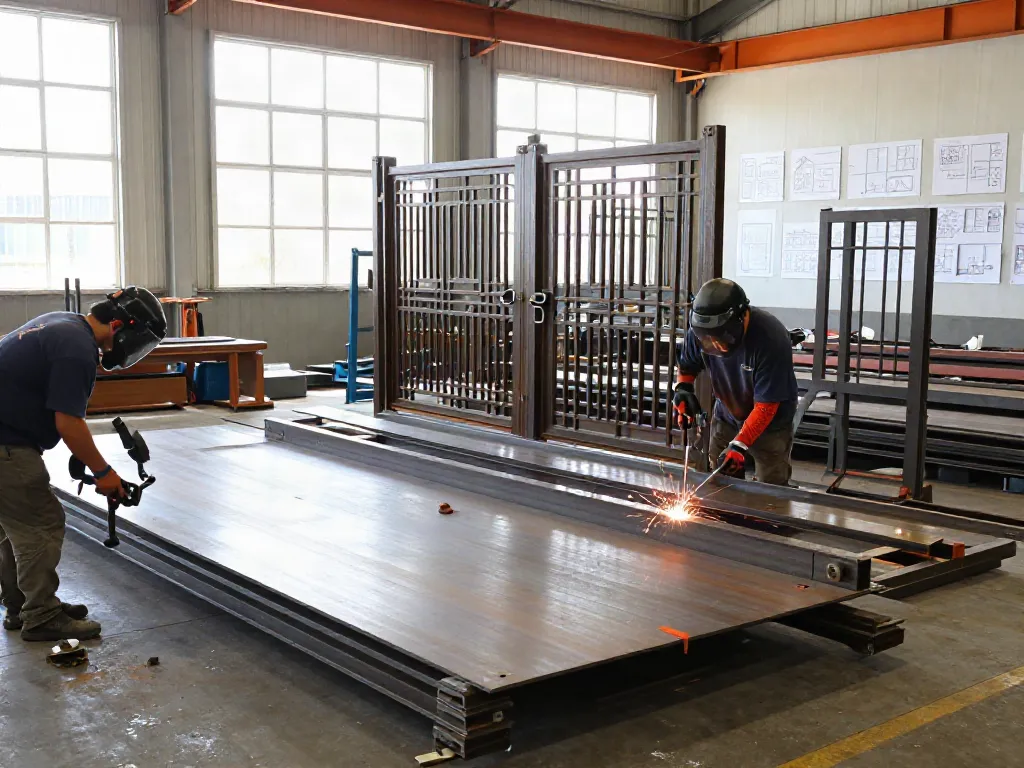
Understanding Steel Fabrication
Steel fabrication is a critical component in the construction and manufacturing industries, serving as the backbone for various structural projects. It involves cutting, bending, and assembling steel to create a wide array of products—from simple beams to intricate metal frameworks. As we delve into this topic, we'll explore the nuances of the steel fabrication process, its applications, and the significant advantages of investing in in-house fabrication. For those seeking top-notch Steel fabrication services in the UAE, understanding these aspects is essential.
What is Steel Fabrication?
Steel fabrication refers to the process of transforming raw steel into finished products that can be used in construction, manufacturing, and various industrial applications. This process typically involves several steps including cutting, shaping, and assembling steel components. Steel fabricators use advanced machinery and tools to ensure precision and accuracy in the final products, which often include structural frames, staircases, railings, and custom components for various construction projects.
The Steel Fabrication Process Explained
The steel fabrication process consists of several stages:
- Design and Planning: This initial stage involves creating blueprints and specifications based on client requirements. Advanced software tools, such as CAD (Computer-Aided Design), are commonly used to visualize the project.
- Material Selection: Choosing the right type of steel is crucial, including considerations for strength, weight, and corrosion resistance.
- Cutting: Steel is cut to size using various methods such as saws, lasers, or plasma cutting equipment.
- Bending and Forming: Shapes are formed through bending processes, which can include rolling or stamping.
- Assembly: Individual components are welded or bolted together to create the final product.
- Finishing: This can include surface treatments, coatings, or other protective measures to enhance durability and appearance.
Common Uses of Fabricated Steel
Fabricated steel is prevalent in numerous sectors due to its strength, versatility, and cost-effectiveness. Common applications include:
- Construction: Used for beams, columns, and structural frameworks in residential and commercial buildings.
- Manufacturing: Creates machinery components and assembly line structures.
- Aerospace: Essential for creating lightweight yet strong parts in aircraft manufacturing.
- Automotive: Used in car frames and components that require high structural integrity.
- Infrastructure: Bridges, highway overpasses, and rail tracks rely heavily on steel fabrication.
Importance of In-House Fabrication
In-house fabrication refers to the practice of managing all aspects of fabrication within the same organization. This approach offers numerous advantages that can significantly enhance project outcomes.
Why In-House Fabrication Matters
One primary reason in-house fabrication matters is the improved control over quality and timelines. By handling the entire process within a single facility, companies can ensure that every component meets their standards for quality and performance. Additionally, it allows for quicker adjustments to design changes and reduces the likelihood of errors that can occur when coordinating with multiple suppliers.
Benefits of a Comprehensive Approach
The comprehensive approach of in-house fabrication can offer several distinct advantages:
- Quality Control: Having a unified process allows for consistent quality checks and balances throughout the fabrication stages.
- Cost Efficiency: Reducing subcontracting and third-party coordination can lead to lower overall project costs.
- Faster Turnaround: A streamlined operation can significantly reduce fabrication times, leading to quicker project completions.
- Customization: Easier to implement extensive customization based on client needs when all functions are managed internally.
Case Study: Success Stories in Steel Fabrication
Consider a large-scale construction project in Fujairah where Al Taher Group managed all aspects of steel fabrication in-house. The project involved creating a custom structural framework for a high-rise building. By keeping all processes within their facility, the team was able to deliver a complex structure within the agreed timeline while ensuring the highest quality standards were met. Their ability to adapt to changes in project scope without significant delays exemplifies the benefits of in-house fabrication.
Challenges in Steel Fabrication
Despite its benefits, steel fabrication can pose several challenges that require careful management to ensure project success.
Common Issues Faced in Fabrication Projects
Some of the most common issues include:
- Material Defects: Using low-quality materials can lead to structural failures.
- Design Changes: Unexpected changes during the fabrication process can cause delays and increased costs.
- Inadequate Quality Control: Failure to maintain stringent quality checks can result in inconsistent product quality.
- Labor Shortages: The industry often faces challenges in finding skilled labor, affecting the overall quality of work.
How to Overcome Fabrication Hurdles
To mitigate these challenges, companies can adopt several strategies:
- Invest in Training: Providing continuous training for staff ensures they are updated on the latest techniques and industry standards.
- Utilize Technology: Implementing advanced fabrication technologies can streamline processes and improve accuracy.
- Maintain Open Communication: Regular discussions between design and fabrication teams can help identify potential issues early.
Expert Tips for Quality Assurance
Ensuring quality in steel fabrication is paramount. Here are some expert tips:
- Conduct Regular Inspections: Regular quality inspections at various stages of fabrication can help catch defects early.
- Standardize Processes: Develop standard operating procedures to create consistency in the fabrication process.
- Feedback Loops: Establish systems for feedback from installation teams to enhance the fabrication process for future projects.
Best Practices for Steel Fabrication
Implementing best practices in steel fabrication can significantly improve efficiency and outcomes in projects.
Essential Techniques for Successful Fabrication
Some key techniques include:
- Precision Cutting: Utilizing CNC machines for precise cuts can reduce waste and improve fit.
- Effective Welding: Mastering various welding techniques ensures strong joints and structural integrity.
- Surface Treatment: Applying protective coatings can enhance durability and resistance to corrosion.
Choosing the Right Materials and Tools
Selecting appropriate materials and tools is critical for successful fabrication. Consider the project's structural requirements, environmental factors, and budget constraints when making these decisions.
Innovations in Steel Fabrication Technology
Advancements in technology continue to shape the steel fabrication landscape. Innovations such as robotics, digital modeling, and improved welding techniques are revolutionizing how projects are executed, enhancing precision and efficiency.
The Future of Steel Fabrication
As we look to the future, the steel fabrication industry is poised for exciting changes driven by technology and sustainability.
Emerging Trends in 2026 and Beyond
Emerging trends include a focus on automated fabrication processes, which reduce labor costs and increase precision. Moreover, the integration of Artificial Intelligence (AI) for predictive maintenance will enhance operational efficiency and minimize downtime.
The Role of Sustainability in Fabrication
Sustainability is becoming a core consideration in the steel industry. This includes the use of recycled materials, energy-efficient fabrication methods, and reducing waste throughout the production process. Companies that embrace sustainable practices can not only improve their environmental impact but also appeal to a growing market of eco-conscious clients.
Predictions for the Steel Industry
Industry experts predict that as green technologies advance, traditional steel fabrication methods will evolve. The integration of sustainable materials and practices will define the competitive landscape, compelling companies to innovate relentlessly in order to stay relevant.
What is steel fabrication?
Steel fabrication is the process of transforming raw steel materials into finished products suitable for construction and manufacturing. This includes various processes such as cutting, bending, and assembling.
What does a steel fabricator do?
A steel fabricator is responsible for taking designs and specifications and converting them into structural steel components, ensuring they meet quality and safety standards.
How can I improve my steel fabrication process?
Improving your steel fabrication process involves investing in technology, enhancing skills through training, and adopting best practices in quality control.
What equipment is essential for steel fabrication?
Essential equipment for steel fabrication includes cutting tools (such as plasma cutters), welding machines, and material handling systems.
Are there certifications for steel fabricators?
Yes, there are various certifications available for steel fabricators, such as those offered by the American Welding Society (AWS) or ISO certifications, which validate quality and safety standards.